Video & Animation Services for High-Impact Content
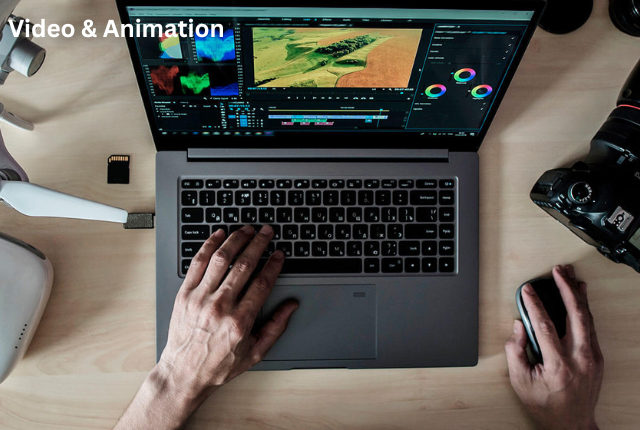
Video and animation have become the most powerful tools in modern communication. They transform ideas into movement, emotion, and experience. Whether used in marketing, education, or entertainment, these mediums connect with audiences faster than any other format. In the digital age, attention is a scarce resource — and video captures it.
Animation adds another layer. It lets creators go beyond reality and build visual stories that express imagination. Together, video and animation form the language of modern media — dynamic, engaging, and universal.
Table of contents
The Power of Video in Modern Communication
Video dominates today’s digital landscape. Platforms like YouTube, TikTok, and Instagram thrive on moving visuals that tell stories in seconds. For brands and creators alike, video isn’t just an option — it’s essential.
Short, well-produced videos can inform, entertain, and inspire. Businesses use them for product launches, tutorials, or storytelling campaigns. Educators rely on them to simplify complex concepts. Even individuals use video to share ideas and connect with global audiences.
Video’s success lies in emotion. People remember what they see and feel. A single clip can evoke excitement, empathy, or motivation — and that emotional connection drives engagement and loyalty.
The Art and Science of Animation
Animation transforms static ideas into living motion. It gives designers, educators, and filmmakers endless creative possibilities. Unlike live video, animation can visualize abstract ideas, simplify processes, and create imaginary worlds.
From 2D explainer videos to 3D visualizations, animation serves every industry.
The secret behind good animation lies in rhythm, timing, and storytelling. When movement aligns with the message, viewers stay engaged — and remember.
Video & Animation in Digital Branding
Modern brands use video and animation as storytelling tools. A well-designed motion logo, animated ad, or brand film can shape identity more effectively than static images.
These tools give companies flexibility — they can adapt messages to multiple platforms and audiences. A short animation can introduce a brand on social media, while a detailed explainer video can drive conversions on a website.
Video and animation also enhance trust. Authentic stories, consistent visuals, and emotional tone all build a sense of reliability that audiences value in a noisy online world.
The Role of Technology in Video & Animation
Technology has made video creation more accessible than ever. High-quality cameras, editing software, and AI tools have reduced barriers to entry. Animation tools like Blender, After Effects, and Canva allow creators to experiment with minimal cost.
Artificial intelligence is also reshaping production. AI can now automate video editing, generate characters, and even create motion effects from text. This speeds up workflows and opens doors for creators without technical backgrounds.
The result is a democratized industry — one where creativity, not resources, defines success.
Video & Animation in Marketing Strategy
Visual storytelling that sells
In marketing, video and animation are unmatched for engagement and retention. Studies show that people remember 95% of a message when it’s delivered through video, compared to only 10% through text.
Marketers use these tools to:
- Demonstrate products in action
- Create emotional storytelling campaigns
- Explain complex services quickly
- Build brand visibility across multiple channels
This visual approach builds stronger connections and boosts conversions. It’s no longer about showing products — it’s about showing purpose.
The Educational Power of Video and Animation
Education has evolved far beyond textbooks. Video lessons and animated explainers are now central to digital learning. They help students visualize complex concepts, stay motivated, and retain information longer.
Platforms like Khan Academy and Coursera use animated visuals to simplify science, history, and math. Teachers create short video lessons to connect with visual learners. The interactive nature of animation also helps break down barriers of age and language, making learning more inclusive and enjoyable.
The Creative Future of Motion Design
Motion design combines art, technology, and psychology. As design trends evolve, motion graphics play a central role in websites, apps, and brand experiences. Subtle movements — like a button animation or loading symbol — can make interactions feel smoother and more human.
The next generation of motion design will blend 3D modeling, augmented reality, and AI automation. As virtual environments expand, animation will shape how users navigate digital spaces — from interfaces to immersive worlds.
Benefits of Using Video & Animation
Here are the key reasons video and animation dominate digital content:
- Higher Engagement: Moving visuals capture attention faster than text or images.
- Improved Retention: Audiences remember more through visual storytelling.
- Better SEO Performance: Videos increase time spent on pages, improving rankings.
- Global Reach: Visual content breaks language barriers and reaches diverse audiences.
- Stronger Brand Identity: Consistent animated visuals reinforce recognition and trust.
- Cost Efficiency: Tools and templates make production affordable for small creators.
These advantages explain why every industry — from healthcare to fashion — now invests in video and animation.
Challenges in Video & Animation Production
Despite their power, video and animation come with challenges. They require planning, creativity, and time. Poorly executed visuals can harm credibility instead of helping it.
Technical issues, copyright concerns, and content saturation also pose challenges. However, with strategic storytelling, clear visuals, and audience understanding, creators can overcome these obstacles. The key is balance — between art and information, simplicity and emotion.
Conclusion
The future of visual content is immersive. Technologies like AI, AR, and VR will merge with video and animation to create interactive experiences. Imagine virtual classrooms, 3D advertisements, or animated storytelling powered by real-time data.
Creators will move from linear storytelling to dynamic interaction, where audiences participate rather than just watch. Brands will use animation to personalize experiences. Education will become more visual and engaging.
In short, the future of communication will be written — and animated — in motion.
FAQs
1. What is the difference between video and animation?
Video captures real-life footage, while animation creates movement from drawings or digital models.
2. Why are video and animation important in marketing?
They attract attention, simplify messages, and increase audience engagement.
3. How does animation help education?
It makes learning visual, interactive, and easier to understand.
4. What software is best for animation?
Popular tools include Blender, Adobe After Effects, and Toon Boom.
5. Is video content better for SEO?
Yes. Search engines favor pages with engaging, time-rich multimedia.